
Sacred & WildUttarakhand
Where the Ganga is born, where Shiva sleeps, where tigers walk between sal trees at dawn. A state that asks everything of you — and returns it ten times over.
Uttarakhand's Crown
Where every river
is sacred,
every peak divine
Uttarakhand is not simply a Himalayan state. It is a vertical civilisation — from jungle-covered foothills at 200 metres where tigers hunt, rising through apple orchards and oak forests, past treeline into the domain of the glacier, all the way to peaks above 7,000 metres where no human lives but every human prays. The Ganga is born here. The Yamuna is born here. The Saraswati vanishes into the earth here. This is the headwaters of a subcontinent's soul.
"There is something in the Himalayan air — a quality of light, a pressure of silence — that makes ordinary life seem very far away."
— Jim Corbett, My IndiaCalled Devbhumi — the land of the gods — Uttarakhand holds more pilgrimage sites per square kilometre than any place on earth. Not as decoration, but as fact: the mountains and the divine are not separate categories here.
Nanda Devi
Five Regions,
One Sacred State
From river valleys to glacier ridges — each zone its own universe


The Char Dham
Yatra
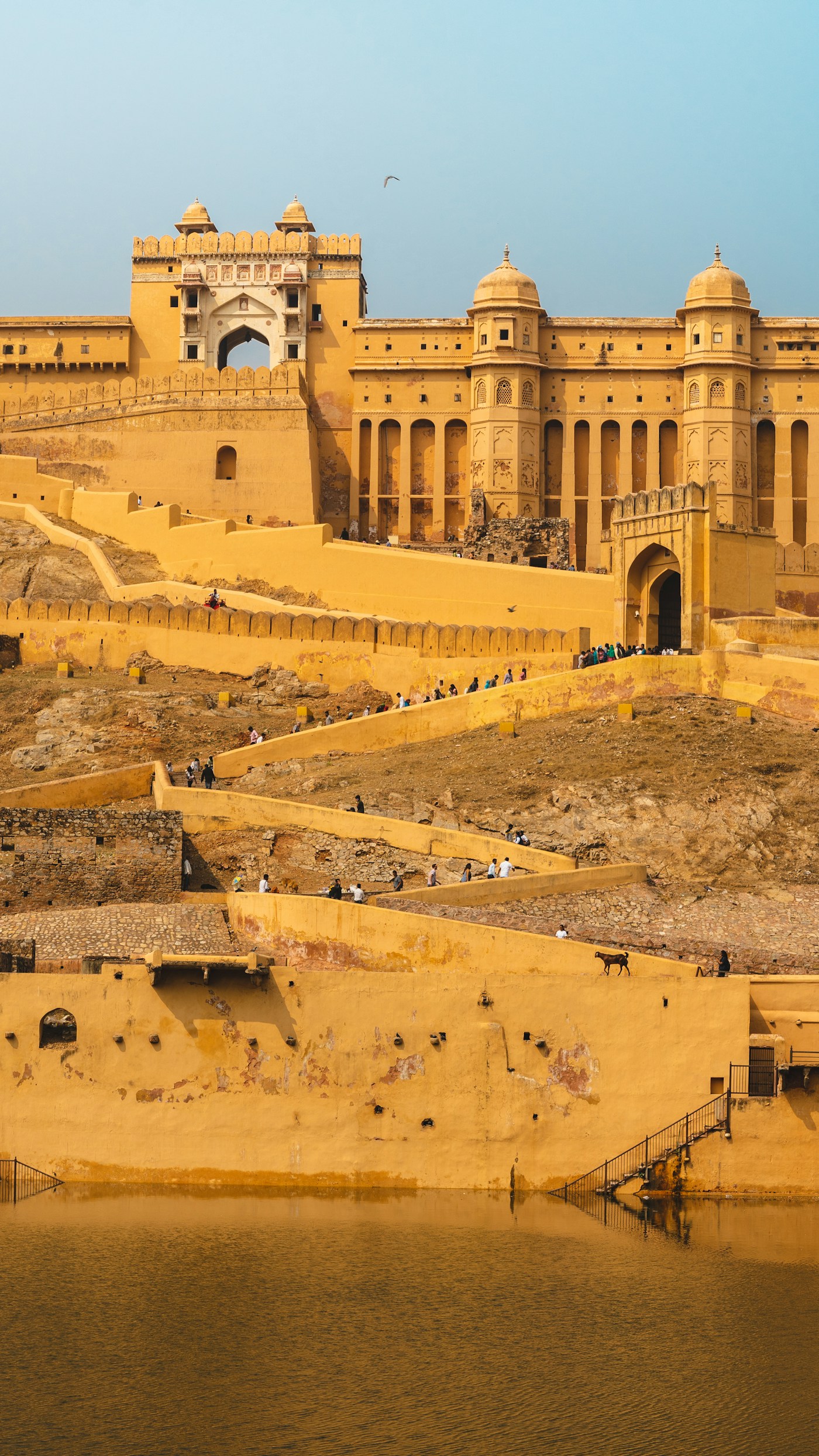
For 1,200 years, pilgrims have walked a circuit of four shrines high in the Garhwal Himalaya. Adi Shankaracharya formalised the route in the 8th century, but people were climbing to these peaks long before any text recorded it.
Yamunotri. Gangotri. Kedarnath. Badrinath. Four shrines. Four rivers. One understanding: you are very small, and the mountains have been watching for a very long time. The yatra season runs May to November — when the snow permits. Come winter, the temples close and the gods migrate south.
Source of the Yamuna river. A thermal spring so hot it cooks rice.
Origin of the Ganga. The glacier is 30 km further — and retreating.
Shiva's lingam in a stone temple older than memory. Open 6 months.
Vishnu's throne between the Nar and Narayana peaks. Nepal on the horizon.
Five Encounters
with
Uttarakhand
Not tourist activities.
Not checkboxes.
Things that stay
in the body.
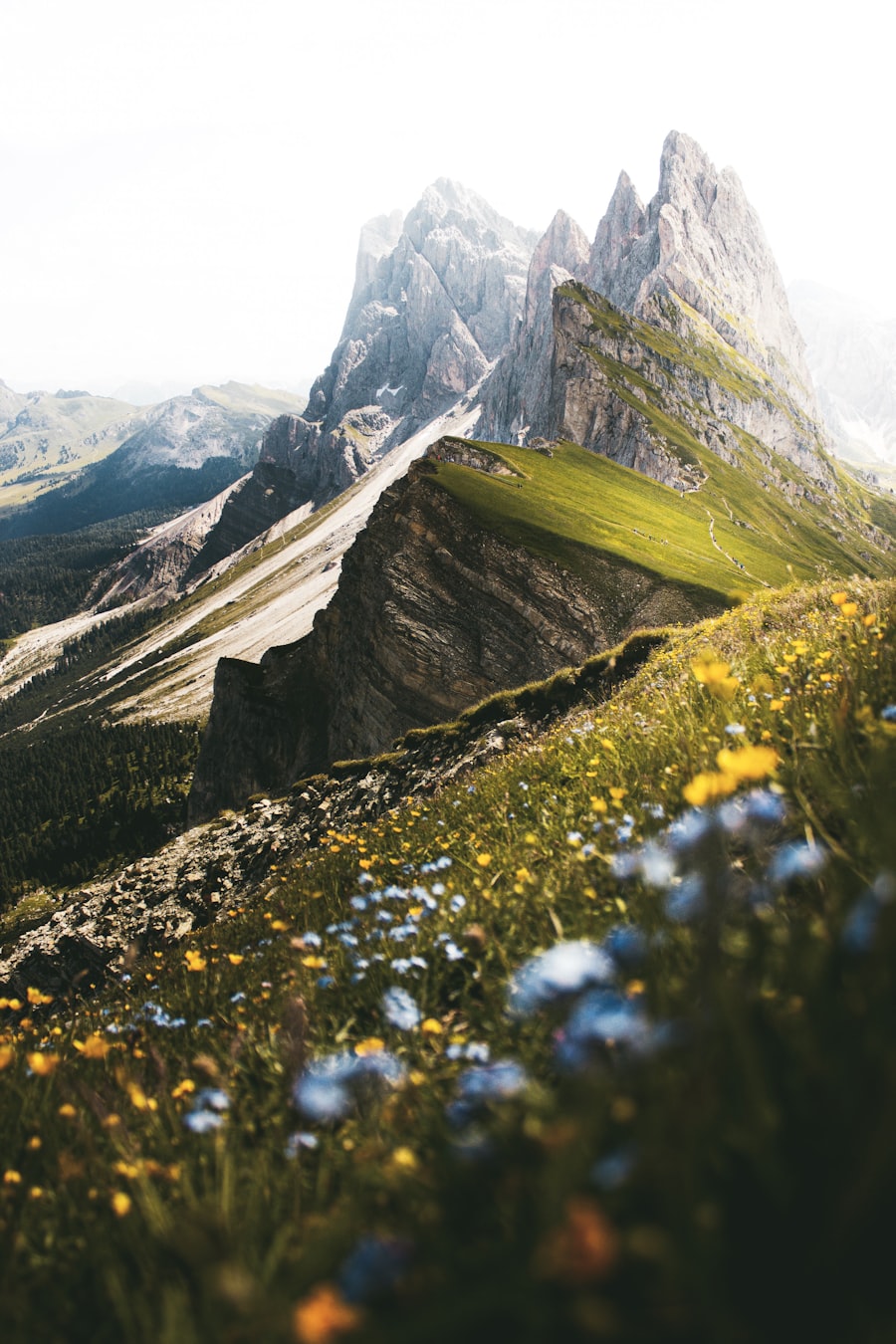
A 3,600-metre UNESCO basin that explodes in July with 500 species of alpine flowers — cobra lilies, brahma kamal, blue poppies. The path to Hemkund Sahib passes through it. Nothing prepares you for the colour.
At dusk in Haridwar and Rishikesh, priests lower fire into the river for thousands of years running. You stand at Har Ki Pauri and watch flames float downstream in leaf cups. It is not a performance — it is the most alive thing in India.
The stretch from Shivpuri to Rishikesh runs 16 kilometres of Grade III–IV rapids through walls of canyon rock. In spring, the volume is violent. In autumn, it's still ferocious enough that your arms remember it for weeks.
Four shrines — Yamunotri, Gangotri, Kedarnath, Badrinath — high in the Garhwal Himalayas. Pilgrims have made this circuit for 1,200 years. Adi Shankaracharya formalised the route in the 8th century. The mountains don't know your religion. They just know you walked to the top.
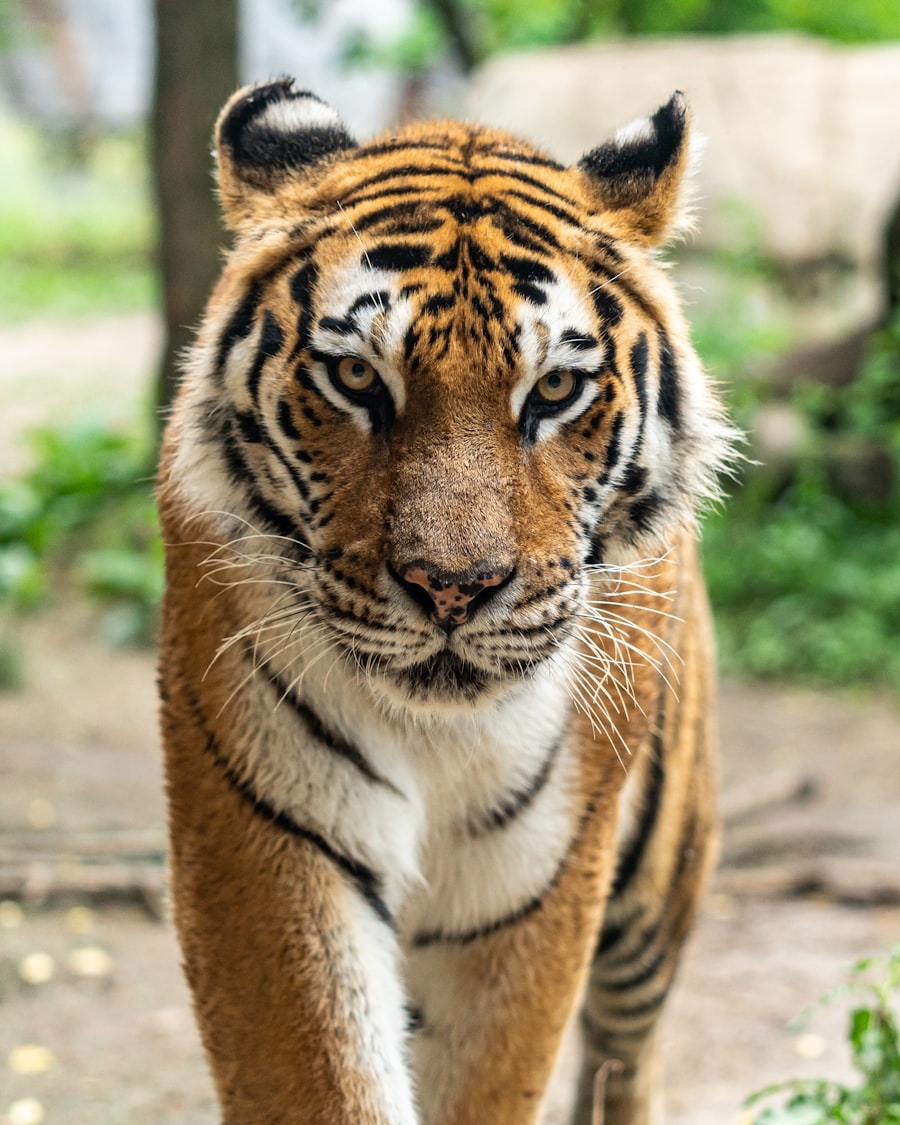
India's oldest tiger reserve covers 520 square kilometres of dense sal forest and riverbed. A 5 AM jeep safari in October is mostly sound — birds and breathing and the crack of something large moving in the trees. Then the tiger steps out.
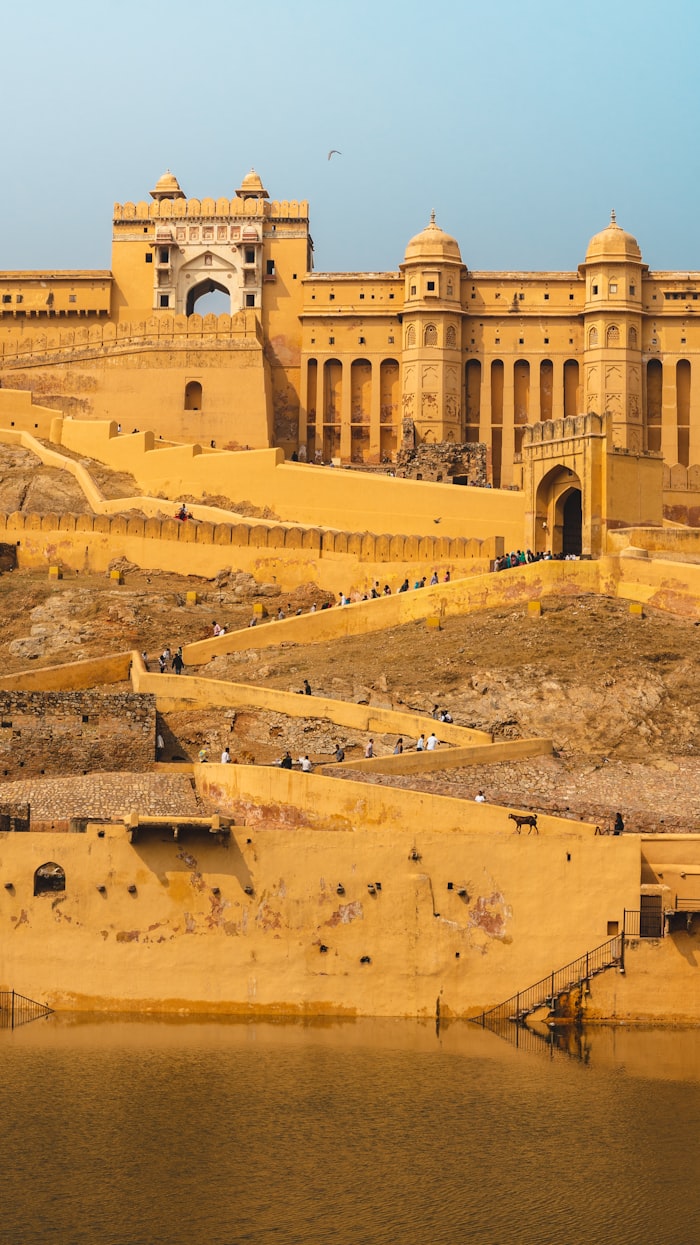 Rishikesh
 Kedarnath
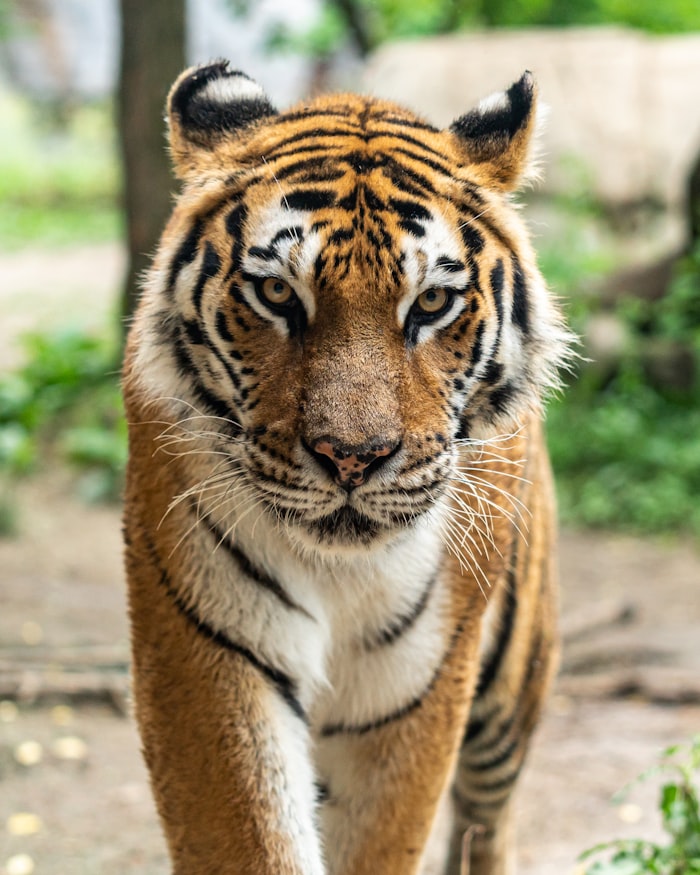 Corbett Tiger
 Himalayan Snow
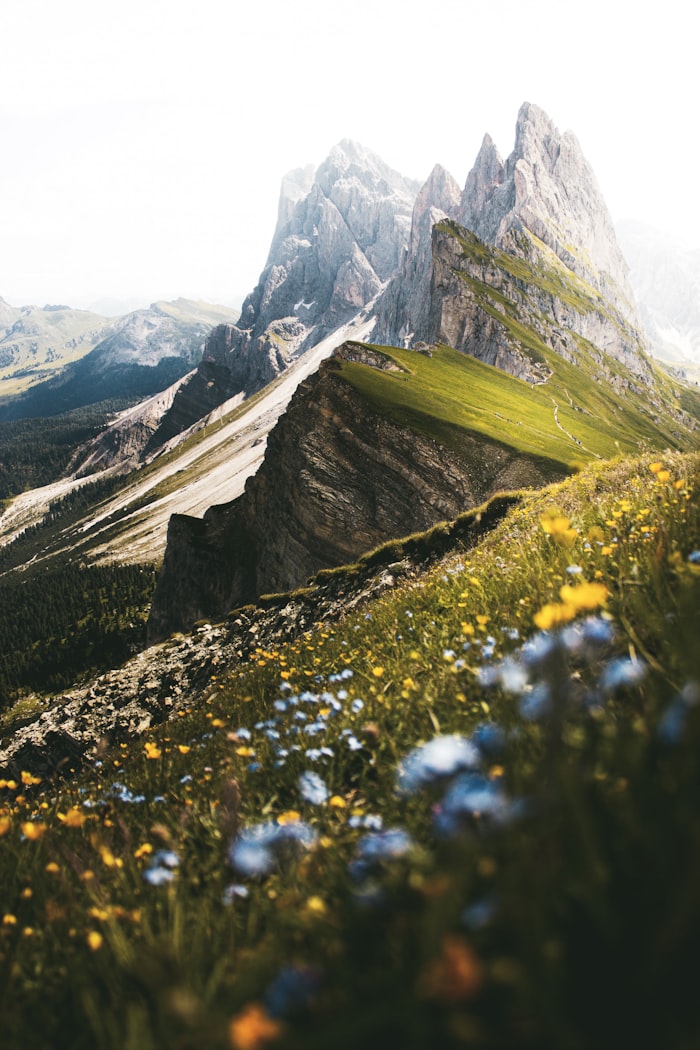 Alpine Flowers
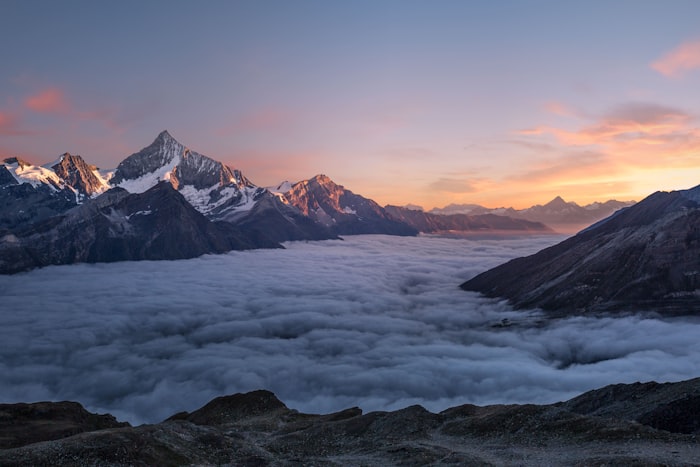 Kedarnath Dusk
 Nanda Devi
Three Treks,
Three Transformations
Uttarakhand on foot is not exercise — it is a conversation with altitude
Uttarakhand's most accessible summit. A single-night trek through oak and rhododendron, waking to panoramic views of Bandarpunch and Kedarkantha. The perfect entry into the Garhwal.
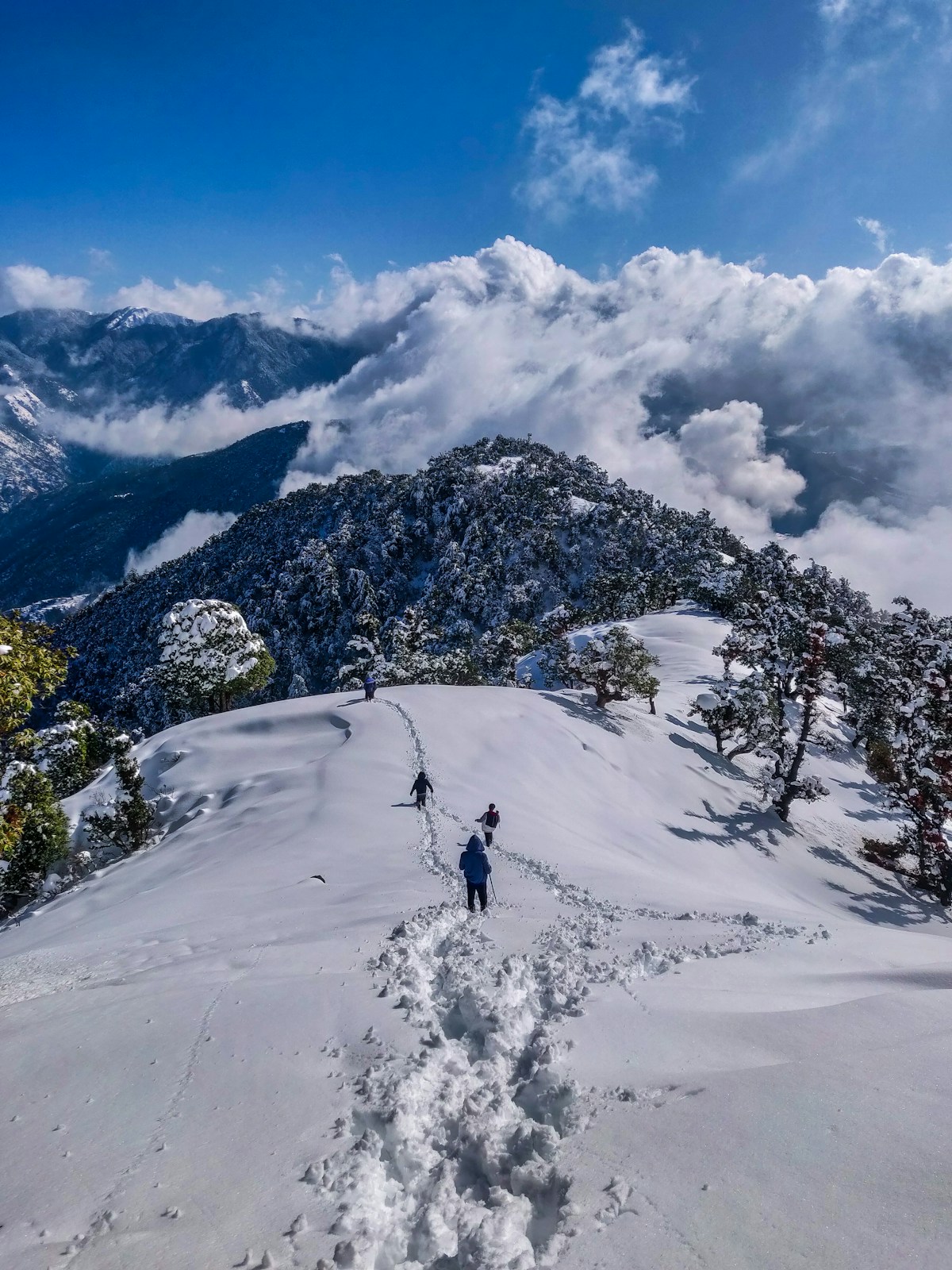
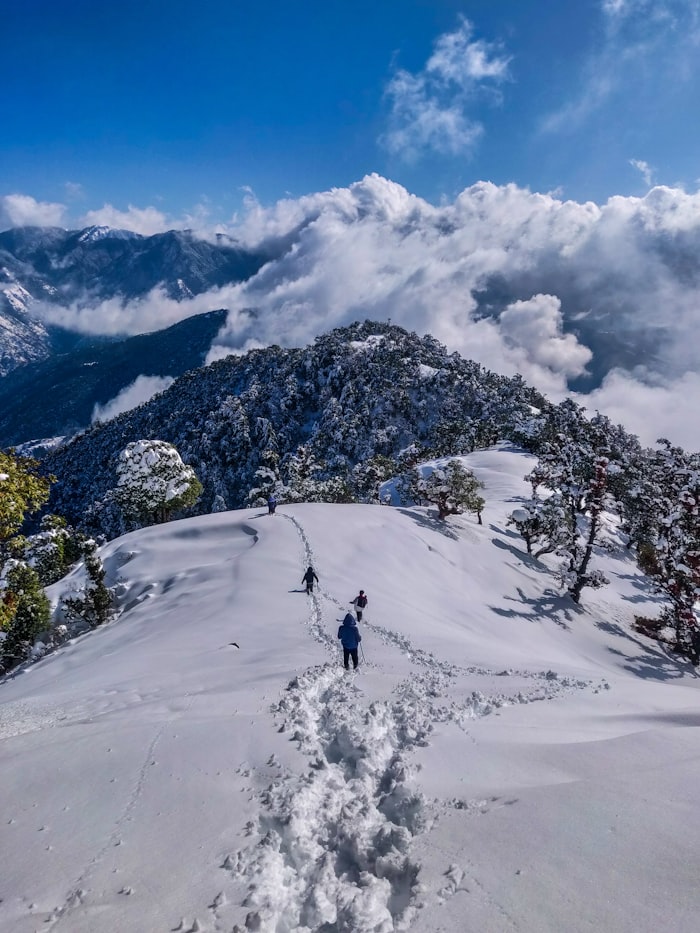
A winter trek to a 3,810-metre summit through snow-covered pine forests and frozen meadows. Considered the finest winter climb in India for the views it delivers against the effort it asks.
A glacial lake at 5,029 metres surrounded by skeletal remains of pilgrims from the 9th century — still there, scattered on the shore. The approach through Ali Bugyal meadows is one of the most beautiful things in the Himalaya.
Every Season is a
Different Uttarakhand
The mountains change their character completely with the months
Buransh rhododendrons cover the ridges in red. The Char Dham shrines open. Trekking trails thaw. Perfect weather from the valley to high altitude.
RecommendedValleys grow lush and dramatic. The Valley of Flowers erupts. Jim Corbett goes quiet and beautiful. High passes get atmospheric, misty, rewarding.
Valley of FlowersThe best skies in India. Crisp air, golden light, Nanda Devi visible from 100 km away. Roopkund, Kedarkantha, river rafting season peaks.
Peak SeasonAuli becomes a ski resort. Munsiyari gets buried. Rishikesh stays warm and yoga-quiet. Corbett is perfect for tiger sightings in winter dry air.
Winter SportsChoose Your
Uttarakhand
Three itineraries designed around what this state actually is — not what it looks like on a poster
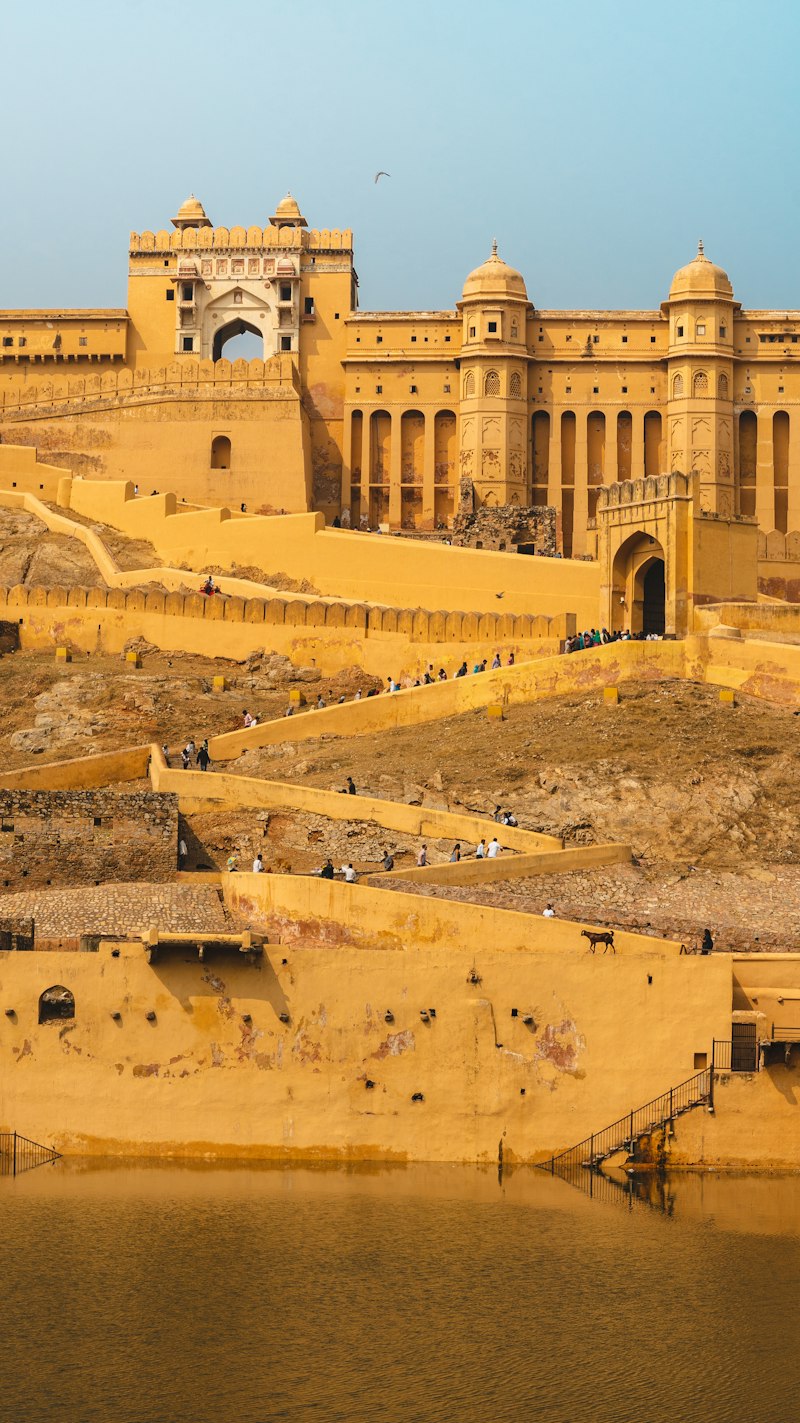
Morning aarti at Haridwar, Laxman Jhula sunsets, white-water rafting, a yoga class on a river cliff, and one night camping under stars.
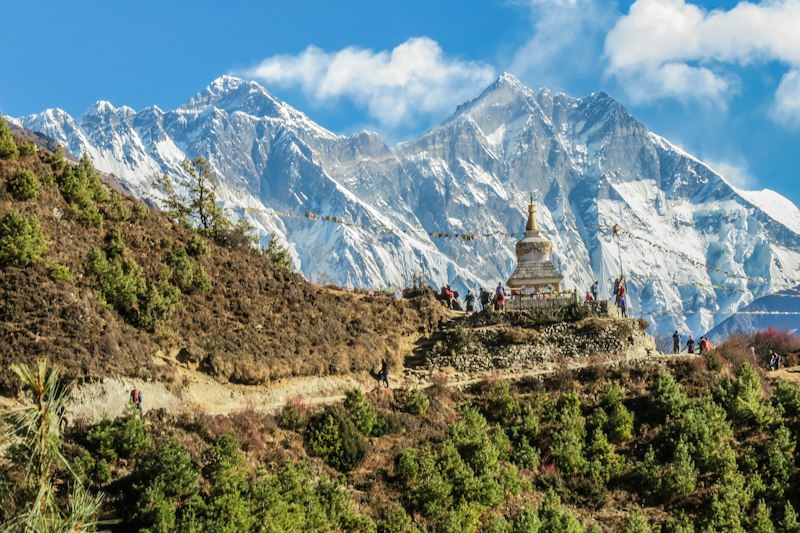
Yamunotri and Gangotri in two long days. Kedarnath by helicopter and on foot. Badrinath at dawn before the crowds. The circuit that changed the subcontinent.
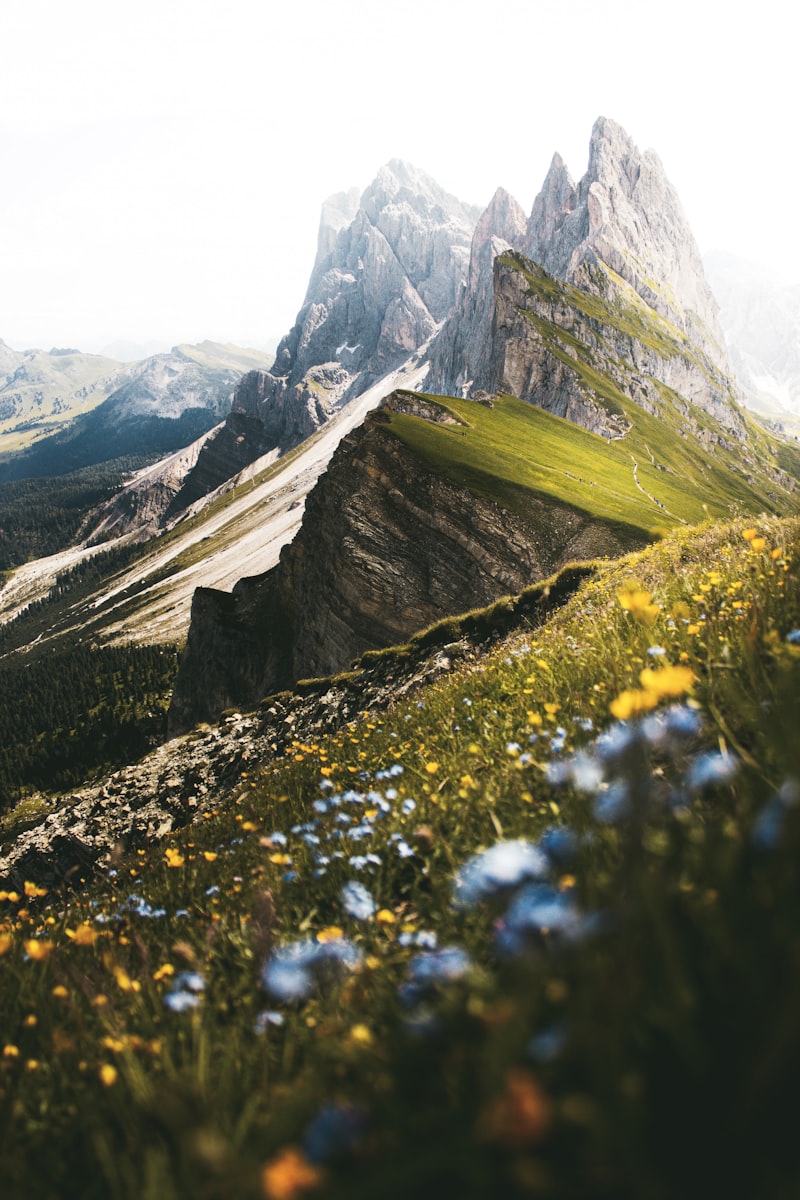
Corbett tiger safari, Mussoorie colonial ridge walk, Valley of Flowers trek, Badrinath, and a final night in Rishikesh. Everything this state is — in one journey.
The Ganga
doesn't wait.
Neither should you.
Uttarakhand is not a destination you choose when it's convenient. It's the place you go when you need to remember what you're made of — altitude, cold water, fire on a river, silence so complete you can hear your own heartbeat. Come before you think you're ready.