
Seven Cities
DELHIदिल्ली · The Heart City
Not one city. Seven cities stacked upon each other over 3,000 years — each one refusing to die.
Eight Centuries of
Empire, Ruin,
and Rebirth
Every conqueror who wanted India came through Delhi. The Tughlaqs, the Khiljis, the Mughals, the British — all built capitals here, all left ruins. Walk the right streets and you step across civilizations without crossing a road.
The result is a city of extraordinary density — historical, cultural, sensory. Nowhere on earth can you move from a 12th-century sultanate to a 21st-century rooftop bar in fifteen minutes.
Five Monuments,
Five Dynasties
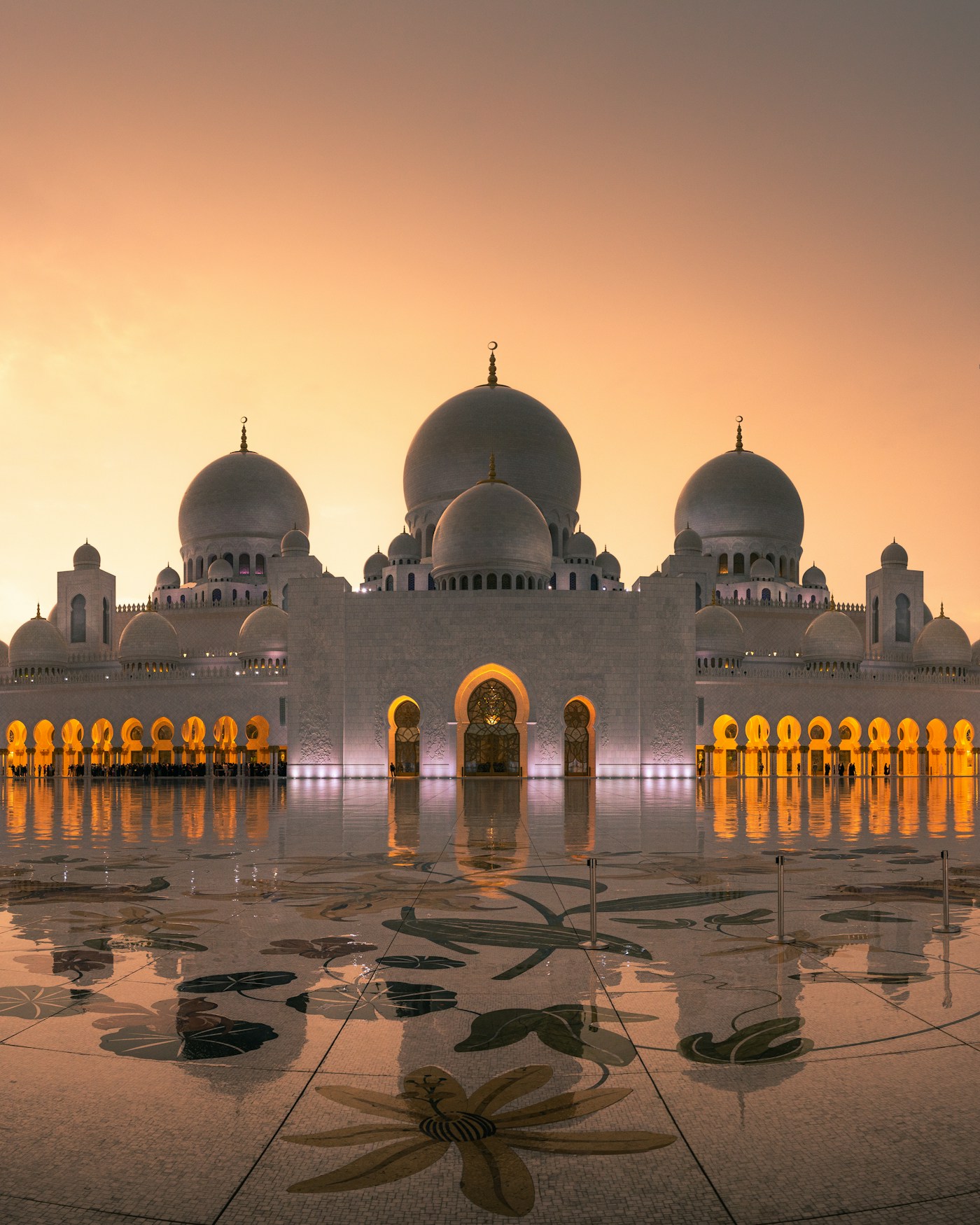
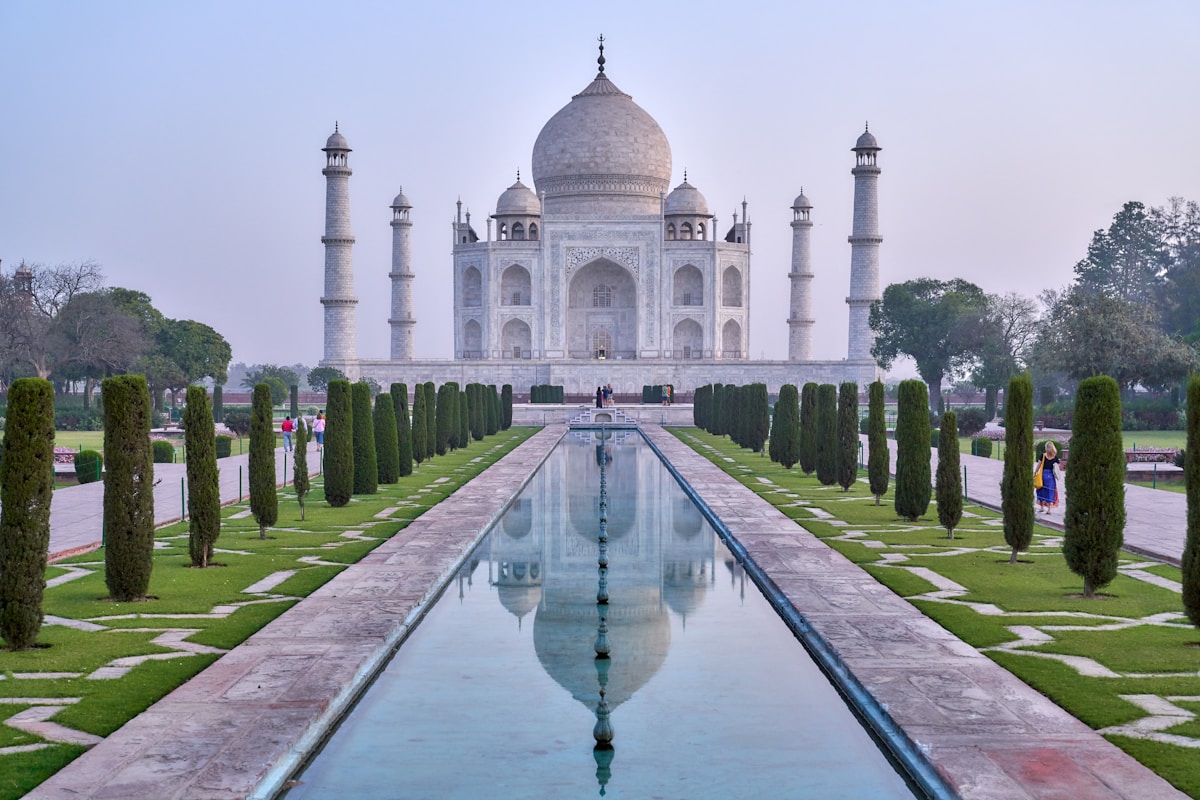
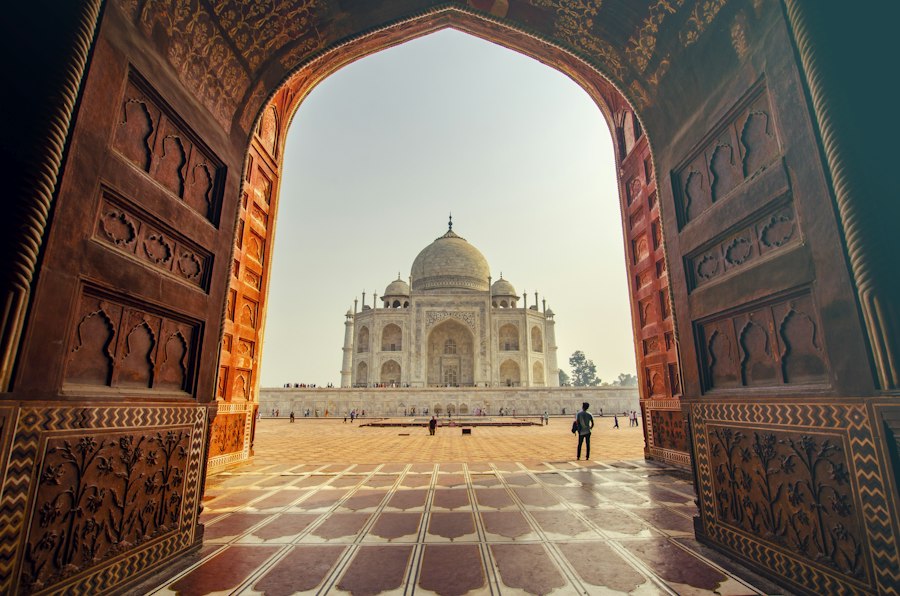
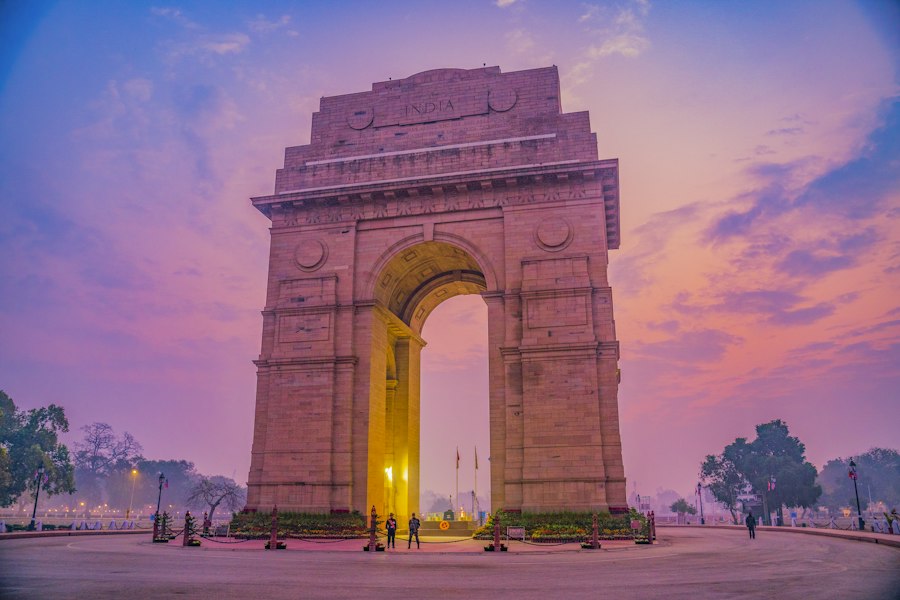
Each stone is a sentence in a 3,000-year autobiography

Delhi
Eats Like
No One's
Watching
The argument is settled. Delhi is the food capital of India. Not because of fine dining, but because of the streets. A city where a lane can be named after a single bread, a shop operates without a sign for 140 years, and breakfast is more important than architecture.
PRO TIP: Eat where there is no menu.
Order what everyone else is having.
Never ask the price first.

The dish that conquered the world was invented here in 1948. The original. Non-negotiable.
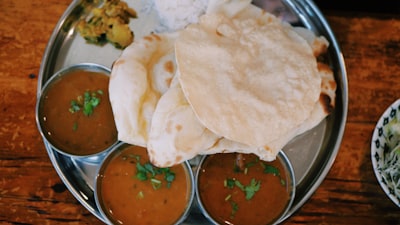
Puffed fried bread with spiced chickpeas at 7am. Delhi's breakfast of champions.

A lane dedicated to stuffed flatbreads since 1875. Over 40 varieties. Pick three, eat slowly.

Crispy spirals fried in clarified butter, dipped in hot sugar syrup. 140 years and still a queue.
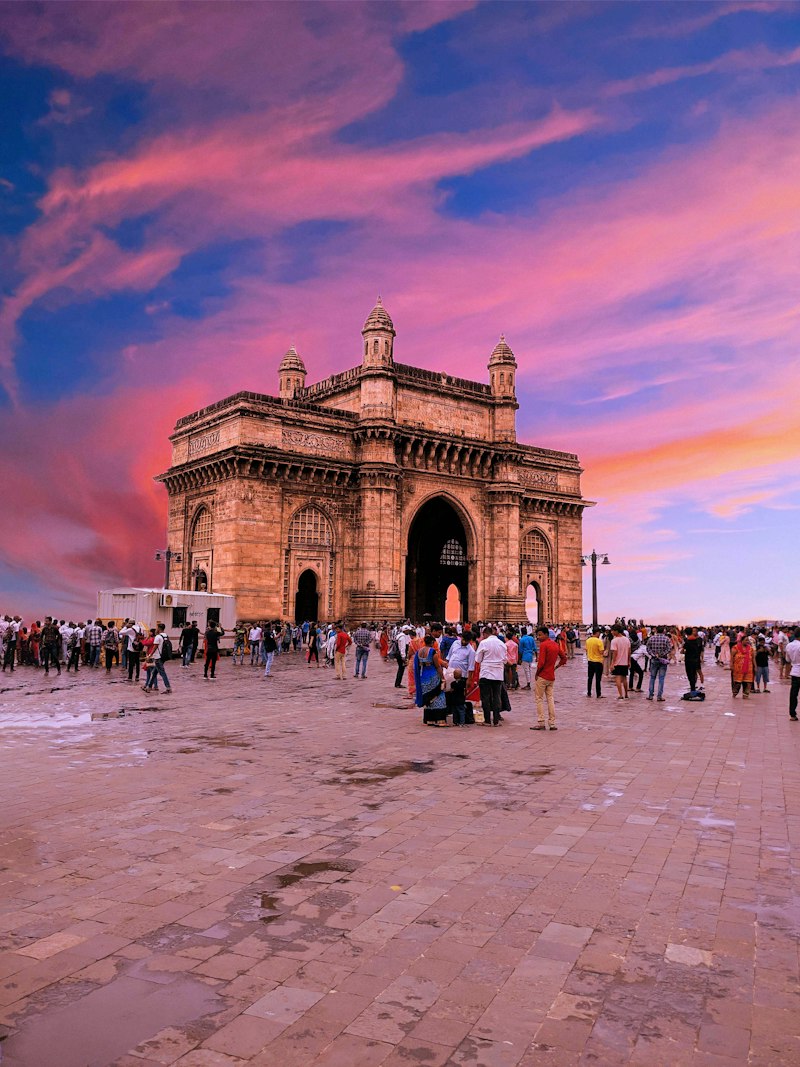 Old Delhi
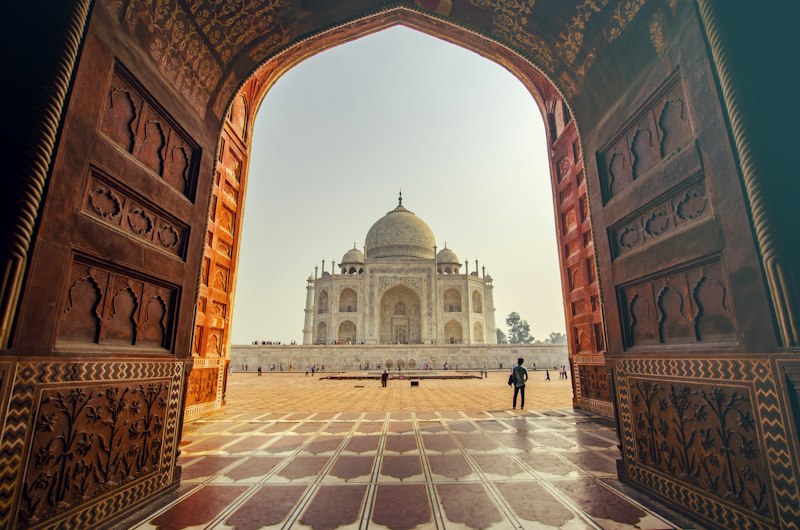 Qutub Minar
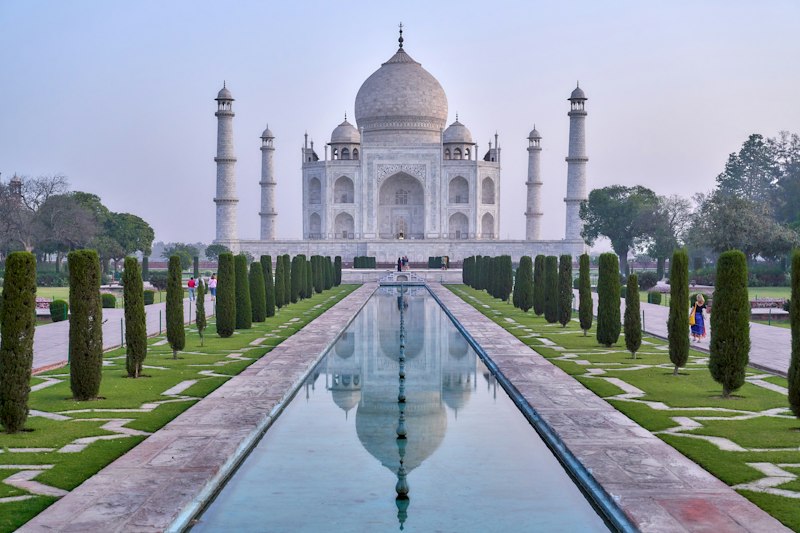 Jama Masjid
 Red Fort
 Humayun's Tomb
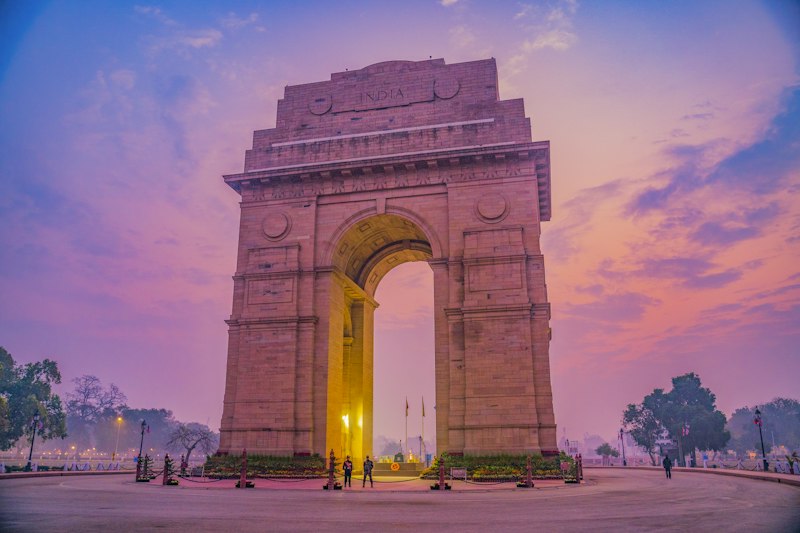 India Gate
Four Neighbourhoods.
Four Delhis.
Same city. Completely different worlds.
14th century lanes where nothing has changed except the phones. Spice markets, silver bazaars, mosques, temples — all crammed into one breathless square mile.
Open-air gallery neighbourhood. Every wall a mural. Every park a gathering. Street art meets colonial bungalows in Delhi's most photogenic neighbourhood.
Lutyens' sweeping colonnaded circle — the imperial heart of New Delhi. High street brands beside chai wallahs, unchanged since 1931.
14th century reservoir ringed by ruins, now surrounded by rooftop bars and independent boutiques. The night skyline over the ancient water tank is extraordinary.
Three Ways Into
the City
Designed for those who want the real Delhi, not the brochure version
Before Old Delhi wakes up, its bones are visible. Walk empty lanes where 500-year-old trades happen at 6am. Watch the city devour its own sunrise.
Seven cities, one day. From the Qutub Minar's 13th-century sultanate to Lutyens' imperial capital — each monument a different civilization, a different language of power.
Delhi after dark is a different city. Hauz Khas ruins lit gold, Connaught Place buzzing, and a food trail that ends at the original butter chicken counter.
Come to Delhi.
Leave different.
Every traveler who stays longer than planned says the same thing — "I thought I understood India until Delhi." It doesn't explain itself. It doesn't need to.