
HimachalPradesh
Where the Himalayas are not a backdrop — they are the entire story. Snow, pine, river, silence.
Himachal's Highest
Where India
looks up
at itself
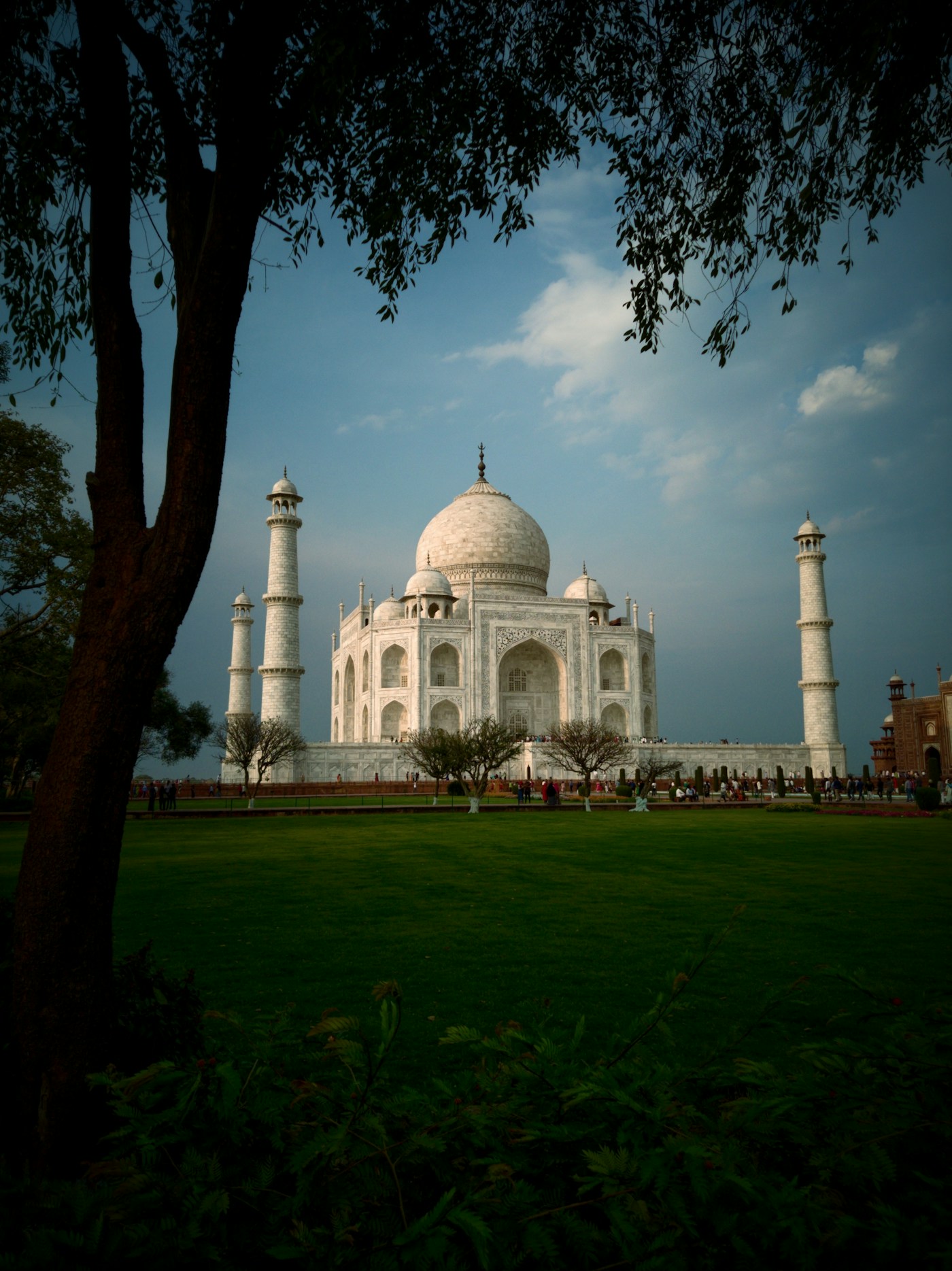
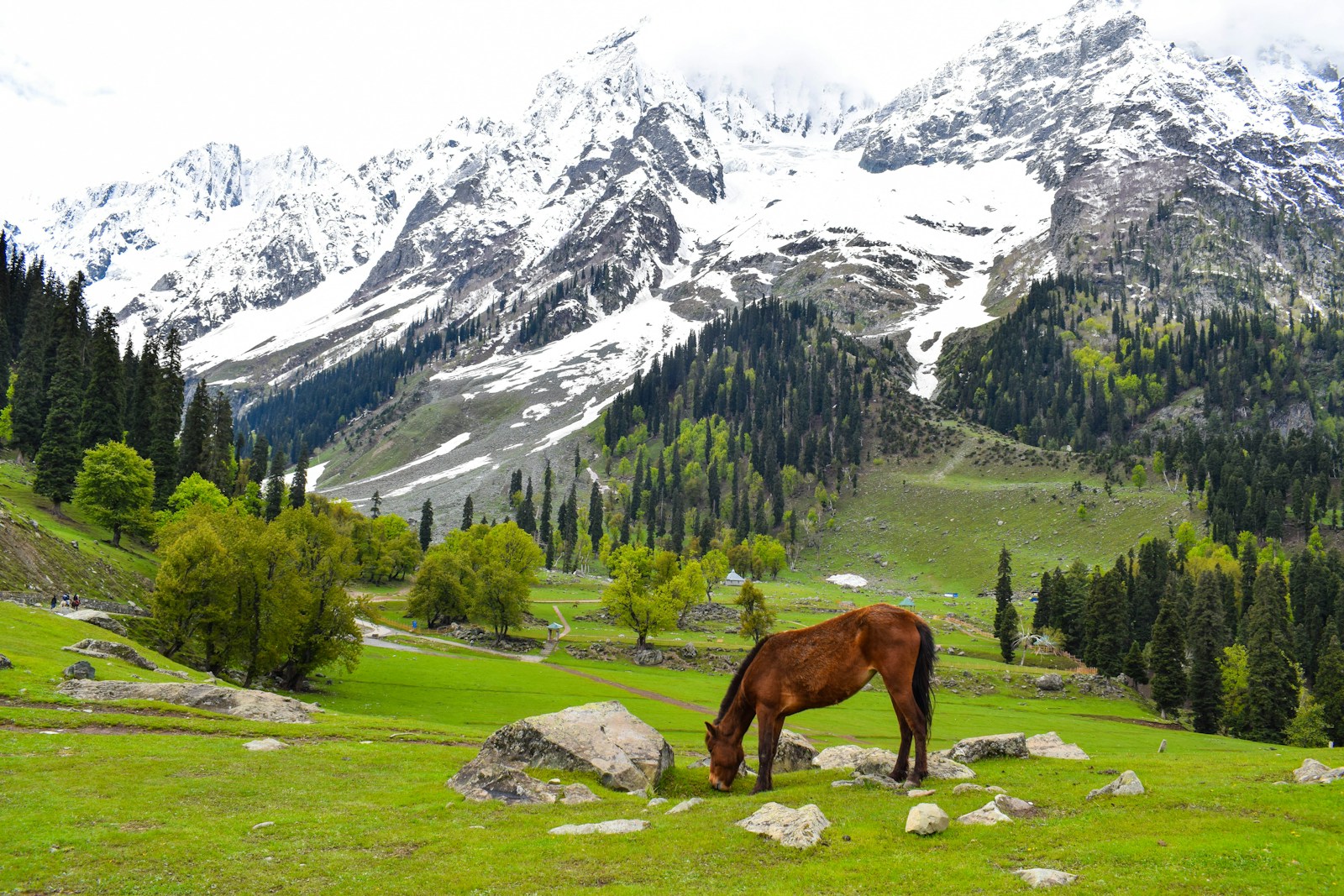
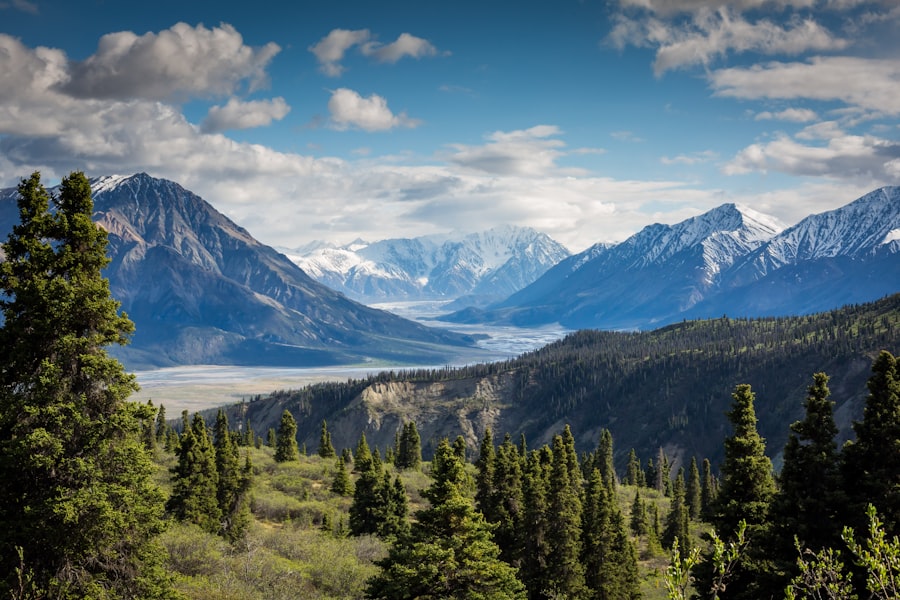
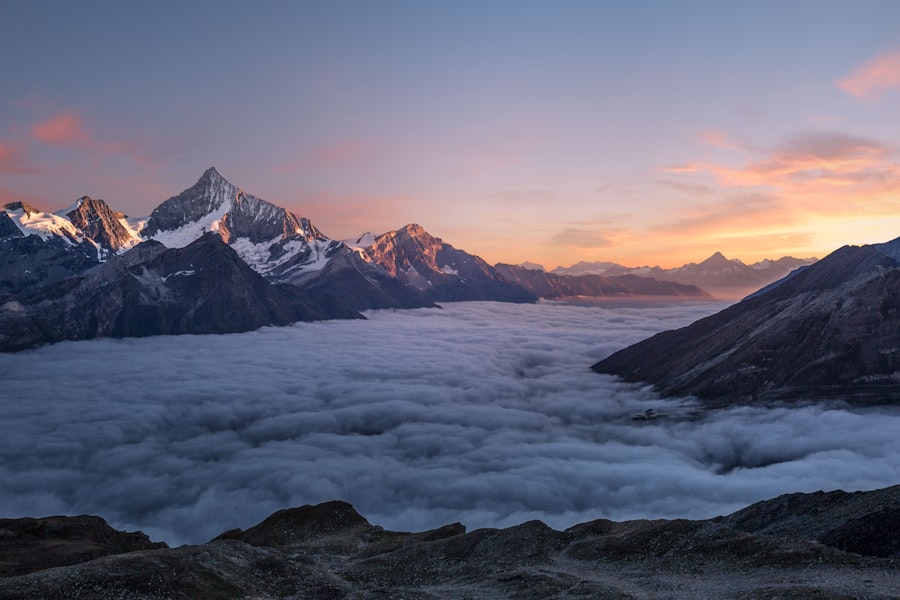
Himachal Pradesh is not a single place. It is a 500-kilometre transect from tropical Shivalik foothills at 300 metres to glacial peaks at nearly 7,000 metres — every altitude a different world, every valley a different culture. The Kullu Dussehra, the Tibetan monasteries of Spiti, the apple orchards of Kinnaur, the deodar forests of Shimla — all exist within the same state border.
"The hills of Himachal are not backdrop. They are character — active, demanding, indifferent to human ambition, and profoundly beautiful for it."
— Ruskin Bond, on the Western HimalayasCalled Devbhumi — the abode of the gods — Himachal holds 2,000 temples in a state smaller than many Indian districts. The ratio of divine to human is quite deliberately in the Himalayas' favour.

in One State
Five Regions,
Five Altitudes
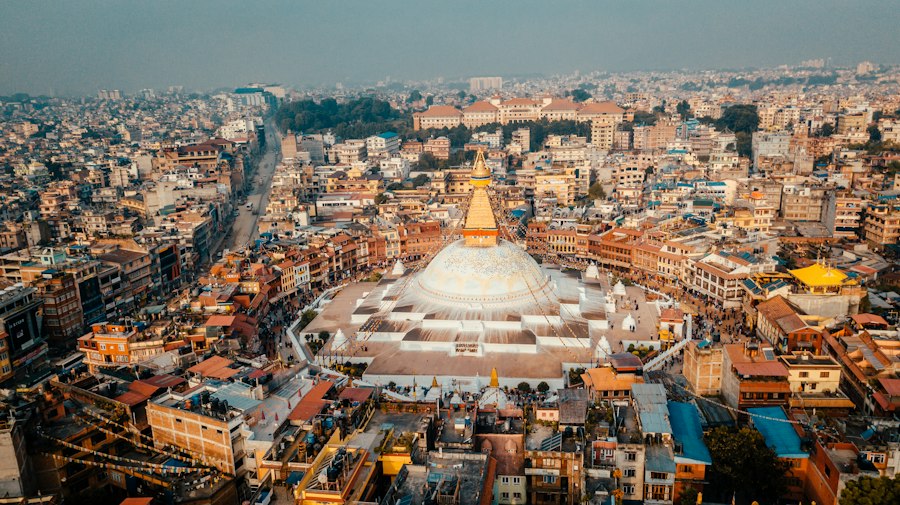
Each valley is a different civilisation at a different height

Five Ways
Into
Himachal
Not tourist activities.
Encounters that change
what you think is possible.
Himachal holds the densest concentration of high-altitude trekking routes in India. From the beginner-friendly Triund to the legendary Pin Parvati Pass — there are 47 mapped routes above 4,000 metres.
Bir Billing — 2,400 metres above sea level — is the paragliding capital of Asia and world-championship site. The thermal windows are so reliable that professional pilots train here year-round.
In September, every valley above 1,500 metres turns red with apples. Kullu and Kinnaur's apple orchards are worked by families who've lived here for 20 generations. You can pick, press, and stay.
Grade III–IV rapids from Pirdi to Takeout run 14 kilometres through gorge rock that looks like it was cut with a blade. The season runs October–June when snowmelt keeps the water cold and fast.
Key Monastery accepts travellers for overnight stays during festival months. Fall asleep to chanting, wake to monks playing long brass horns across a 4,000-metre valley. Time becomes optional.
 Shimla Ridge
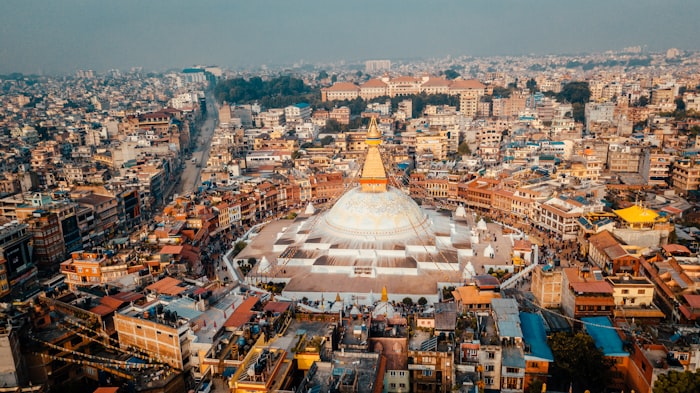 Dharamsala
 Apple Orchards
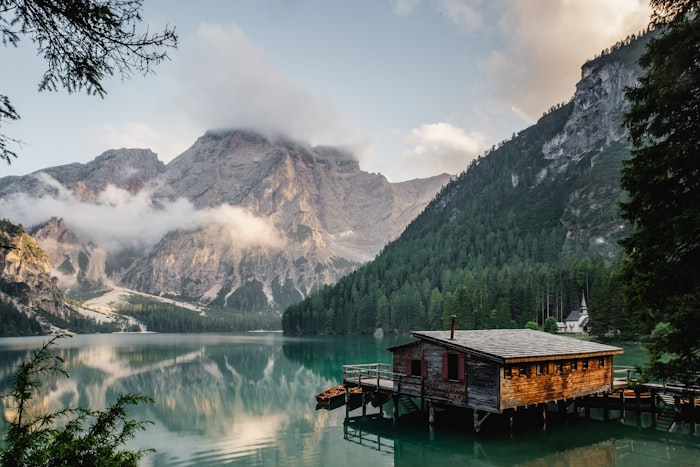 Glacial Lakes
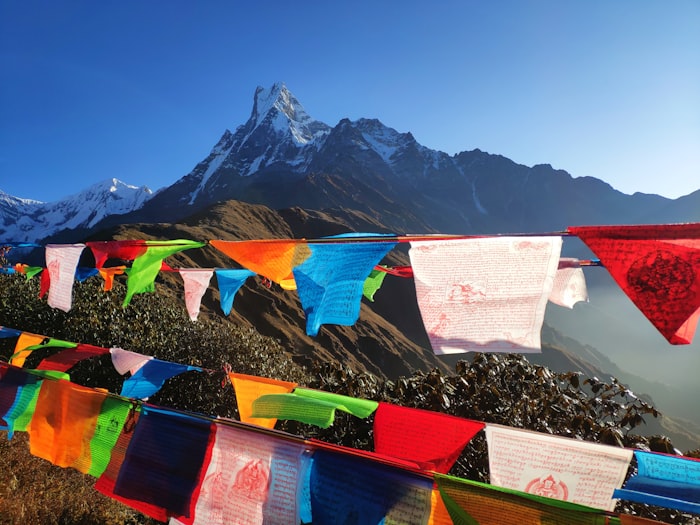
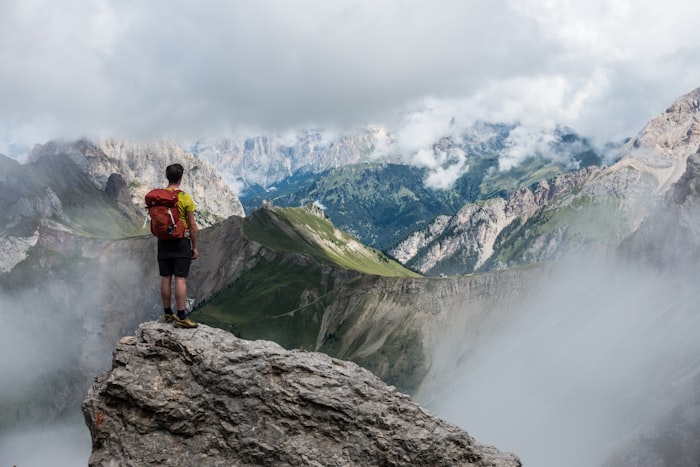 High Passes
 Pine Valleys
 Monasteries
When to Go to
Himachal Pradesh
Every season is a different state
Rhododendrons across every ridge, snowmelt rivers in full roar. Manali and Kullu roads open. Perfect moderate weather.
RecommendedLower valleys green but often wet. Spiti and Lahaul stay dry beyond the Rohtang — an open secret among serious travellers.
Spiti SeasonThe most beautiful Himachal. Golden light, apple harvest, crystal skies, Hampta Pass crossings, and Dussehra in Kullu.
Peak SeasonShimla and Manali snow-covered. Skiing at Solang and Kufri. Most passes shut — the mountains become intimate.
Winter SportsThree Treks,
Three Worlds
From ridge walks to glacier crossings — Himachal on foot is its own religion
Dharamsala's ridge walk — three hours up through oak and rhododendron to a meadow with Dhauladhar views that make you question everything.
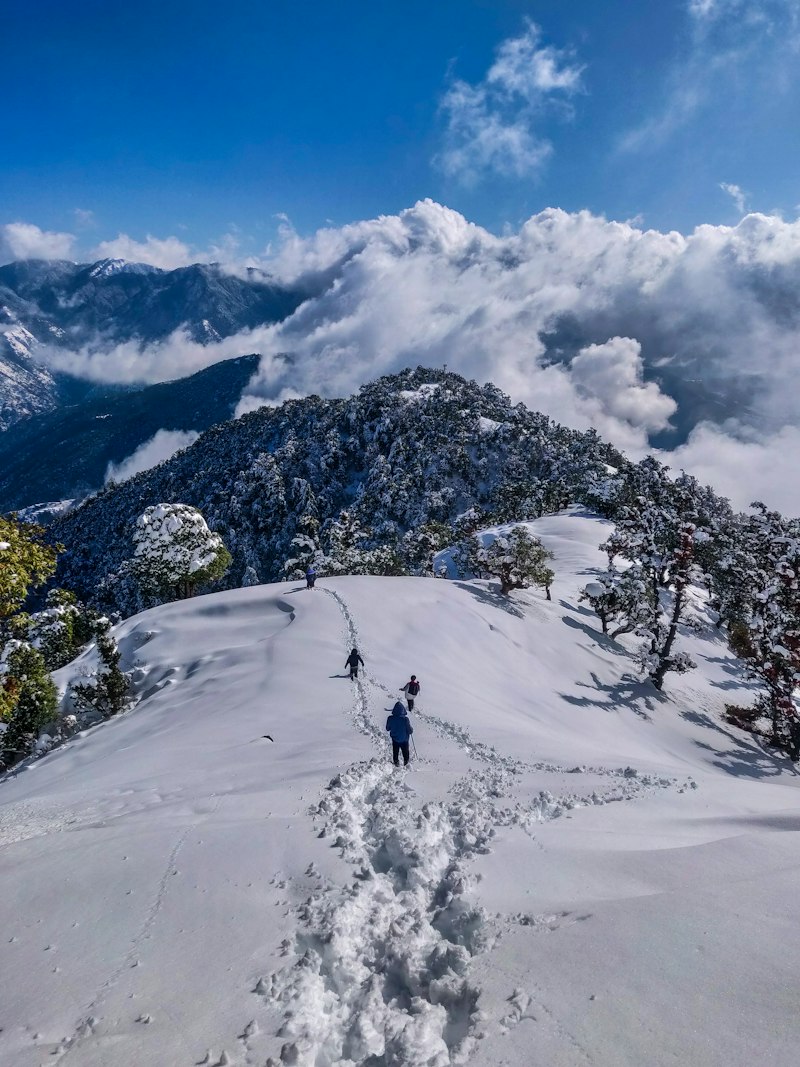
A crossing between two completely opposite worlds — lush Kullu Valley to the barren moonscapes of Lahaul. The pass itself sits at 4,270 metres.
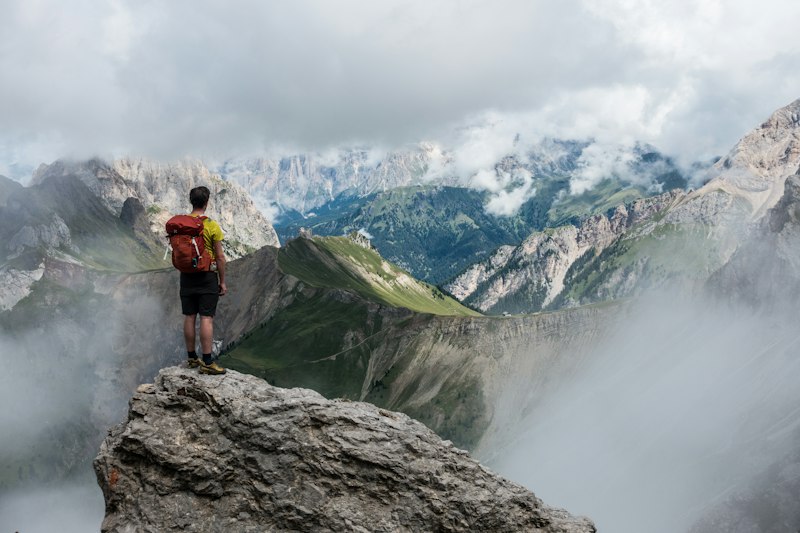
One of the most demanding crossings in India — 17,457 feet, glaciers, boulder fields. Only for the experienced. Rewards those who cross with a world very few ever see.
Choose Your
Himachal
Three itineraries designed around what actually matters in the mountains

Rohtang snowfields, Solang Valley, Hadimba temple, and a night in an orchard homestay above the town.
Hampta Pass crossing, acclimatisation day in Kullu, camp at Balu Ka Ghera with Chandrataal day visit.
Shimla's colonial ridge, Kinnaur orchards, Spiti monasteries, and Manali — a complete transect of the state from foothills to high cold desert.
The mountains
don't move.
You do.
Himachal Pradesh doesn't accommodate travellers — it demands something of them. Effort, patience, altitude. In return it gives what no other place in India can: the feeling of smallness that is actually relief.