
SPITI
The Middle Land Between Heaven and Tibet
32°14′N 78°03′E · 3,800 M above the world
Where the Milky Way
touches the ground
Spiti sits in one of the darkest places on Earth. At an altitude of 4,000 metres, with no cities for hundreds of kilometres in any direction, the Milky Way does not appear as a faint smear — it explodes across the sky as a blazing river of light so dense you can read by it on a moonless night. Ancient monks chose this valley not despite its harshness, but because of it — closer to the stars, farther from distraction.
32.2432° N · 78.0413° E · Bortle Class 1–2
Six Places That
Will Rewire You
Each destination in Spiti holds a different kind of silence
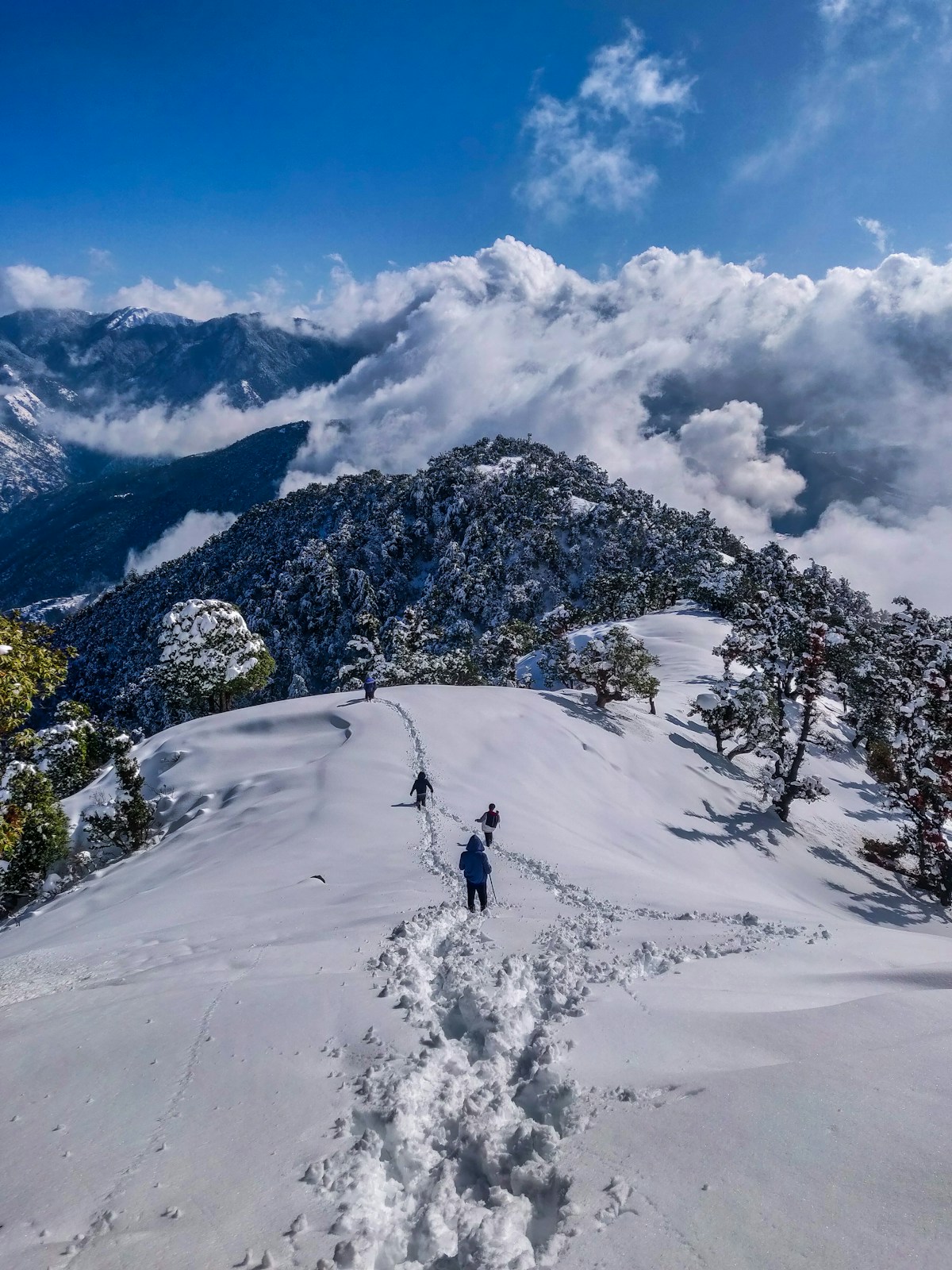
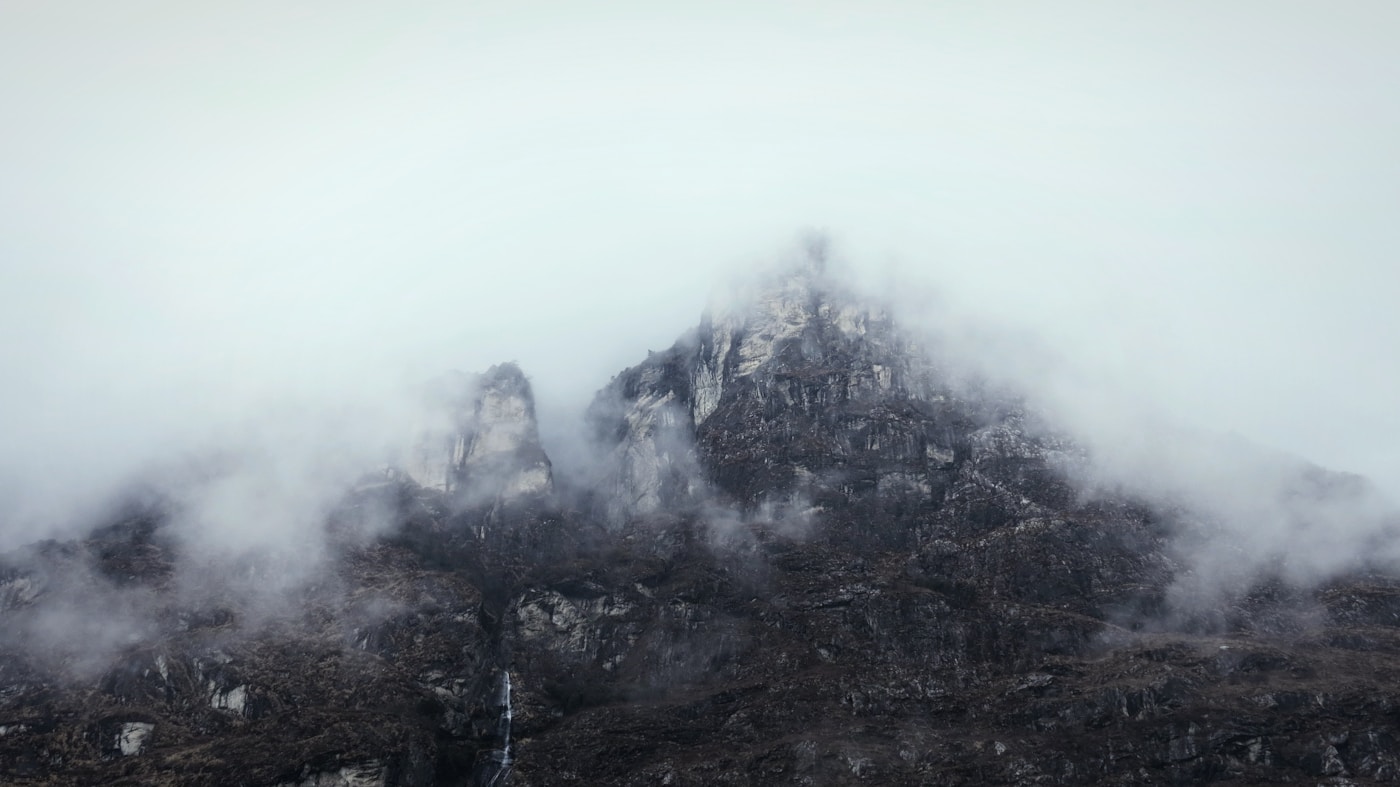
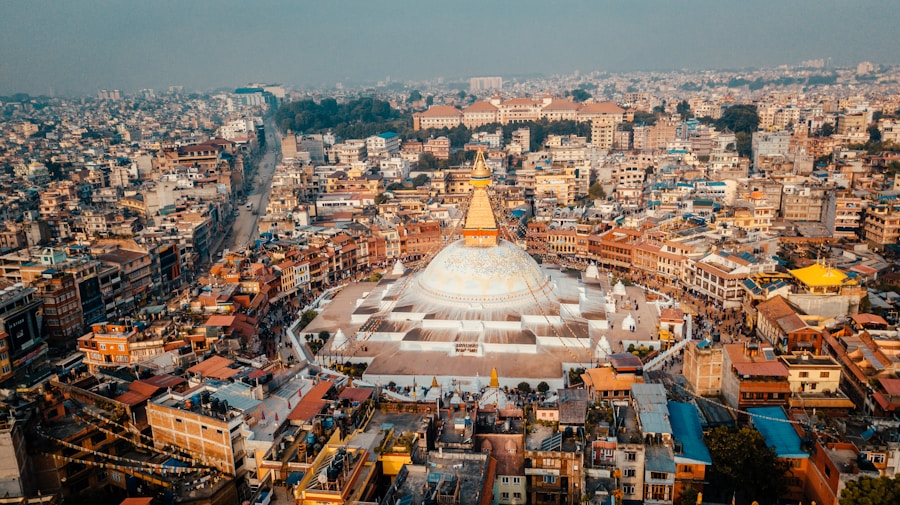
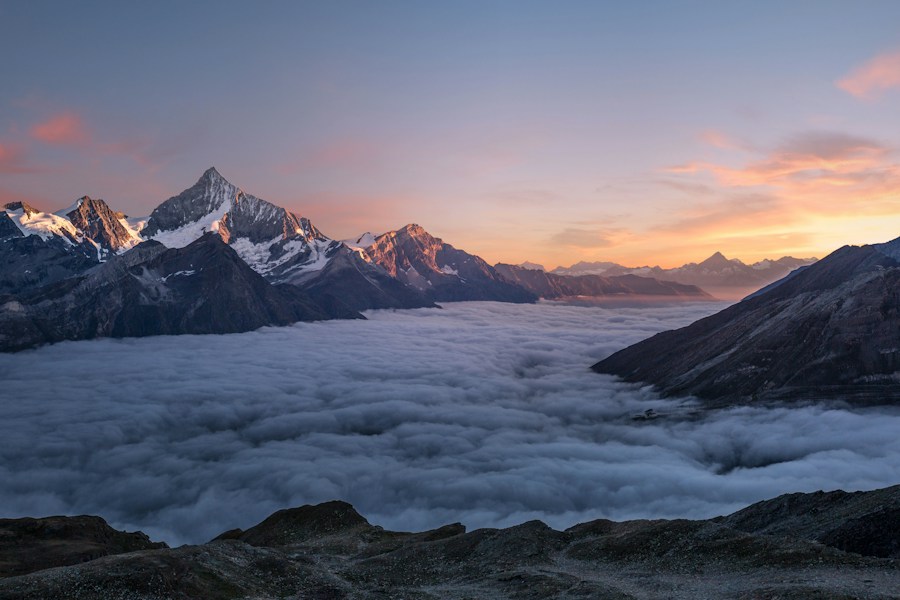
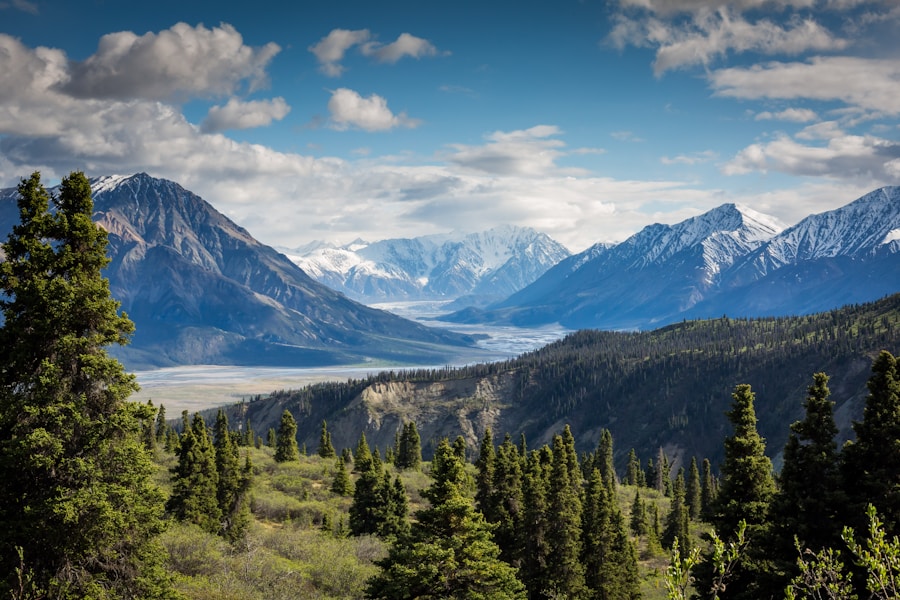

 Dawn light
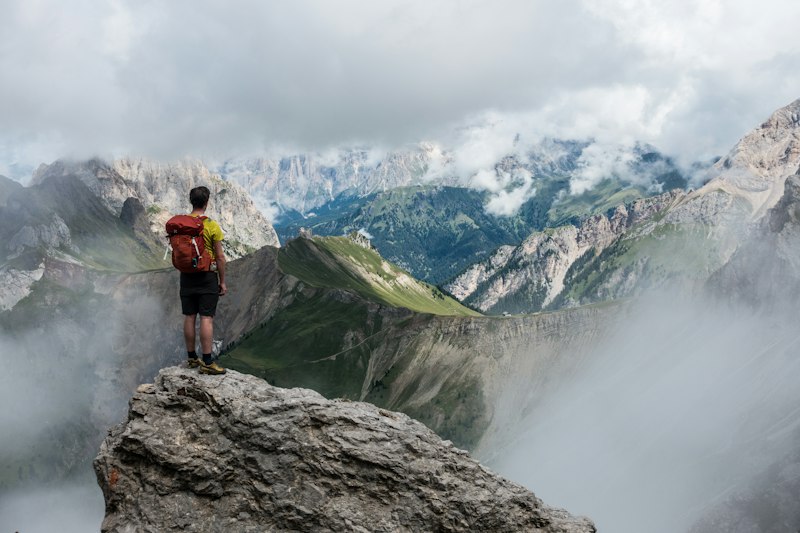
 Mountain pass
 Prayer flags
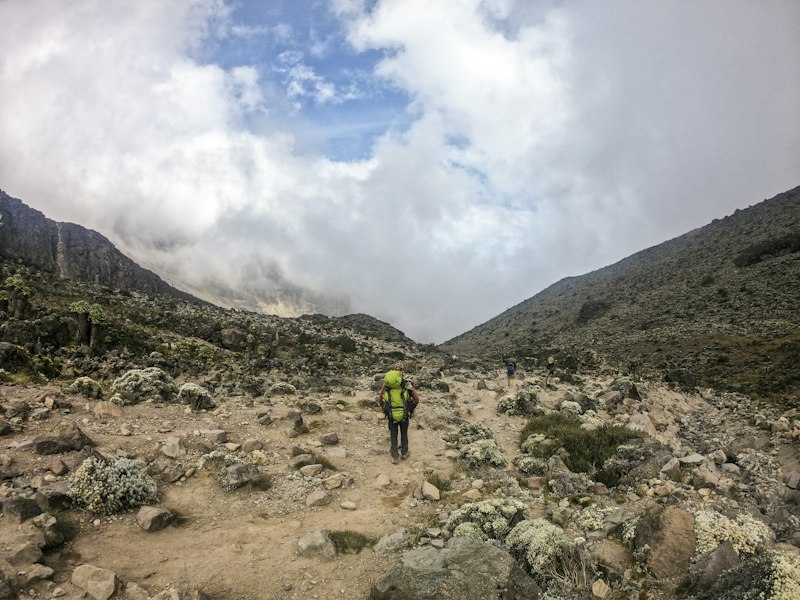
 Icy trails
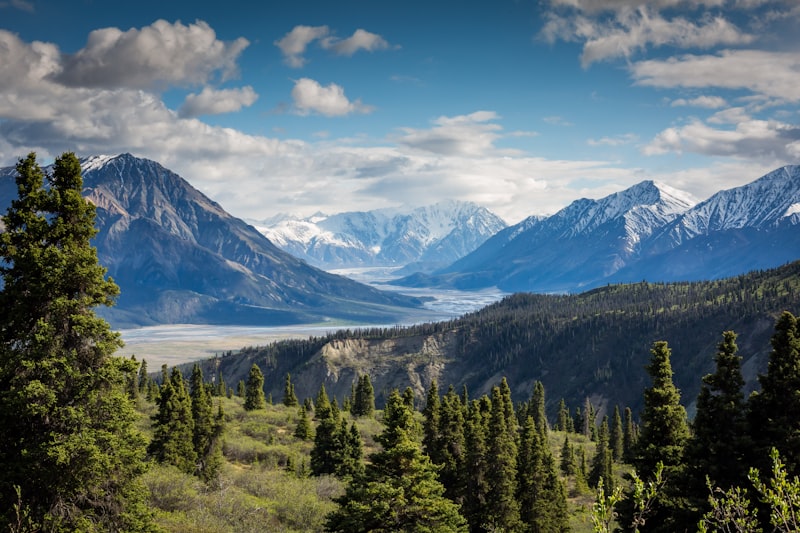
 Valleys
 Night stars
The sky you've
never seen
is real here
In Spiti, nightfall is not darkness — it's revelation. The Milky Way core rises above the Himalayan peaks like a second mountain range made of light. Veteran astronomers call this valley one of the last truly dark sanctuaries on the subcontinent.
When to Cross the Pass
Roads open, snow still on peaks. You arrive before the crowds. The valley belongs to you.
Off-SeasonBoth Rohtang and Kunzum passes open. Festival season. Most accessible window of the year.
Peak SeasonCrystal skies, harvest colours, best Milky Way visibility. Photographers' window.
RecommendedSpiti becomes snow-locked. Only the Spiti River Road connects. For the truly prepared.
ExtremeFive
Encounters
That Stay Forever
These are not tourist attractions.
These are encounters that change
how you think about your life.
Pin Valley National Park is one of the last sanctuaries of the elusive snow leopard. Join expert trackers for a dawn patrol across frozen ridgelines — a privilege granted to only a handful of visitors each year.
At 4,000+ meters, with zero light pollution, the night sky becomes a living cathedral. Entire arms of the Milky Way arch overhead. You'll understand why ancient monks built their monasteries here — facing the cosmos.
Attend a dawn prayer at Key Monastery as crimson-robed monks chant thousand-year-old texts. The brass horns carry across stone valleys unchanged since the 11th century. Time collapses.
Spiti Valley shares a border with Tibet. The culture, the faces, the prayer flags, the butter lamps — this is a living edge of two civilizations meeting on the roof of the world.
The road to Spiti cuts through 500-million-year-old seabed fossils embedded in open rock. You pass ammonites and marine creatures frozen mid-swim — evidence of a time Himalayas lay beneath the ocean.